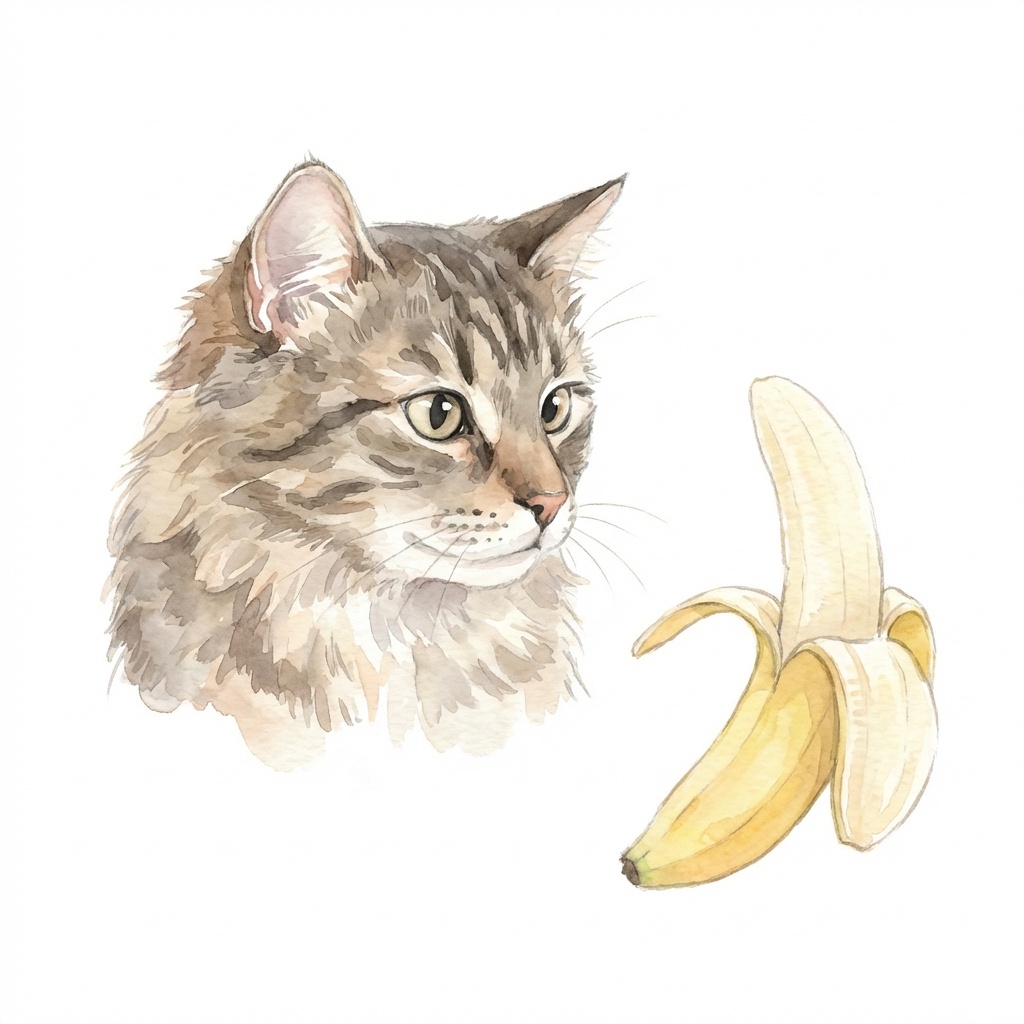
Caution: bananas requires care for your cat.
**Can cats eat bananas? Yes, cats can eat bananas in very small amounts, but they shouldn't.** Bananas are not toxic to cats, but they provide almost no nutritional benefit for felines. Cats are obligate carnivores whose bodies are designed to process meat, not fruit. A thumbnail-sized piece of banana occasionally will not harm your cat, but it should not become a regular treat due to the high sugar content and cats' inability to properly digest plant-based foods.
Quick Answer: Can Cats Eat Bananas?
Yes, but with caution. Bananas are safe for cats in tiny amounts (a thumbnail-sized piece once or twice a week maximum), but they are not recommended as a regular treat. Here’s what you need to know at a glance:
| Question | Answer |
|---|---|
| Are bananas toxic to cats? | No |
| Are bananas good for cats? | No — zero nutritional benefit |
| How much banana can a cat eat? | A thumbnail-sized piece, max 1-2x/week |
| Can kittens eat bananas? | No — avoid entirely |
| Can diabetic cats eat bananas? | No — too much sugar |
| Better alternative | Freeze-dried chicken or turkey |
Why Cats and Fruit Do Not Mix Well
To understand why bananas earn a caution rating for cats, you need to understand feline biology. Cats are obligate carnivores, which means their bodies have evolved over millions of years to derive nutrition exclusively from animal tissue.
Key biological differences that make cats poor fruit eaters:
- No sweet taste receptors — Cats are one of the few mammals that cannot taste sweetness. They lack the Tas1r2 gene that codes for the sweet taste receptor. The appeal of banana’s sweetness is completely lost on them
- Short digestive tract — Designed for rapid processing of meat, not the slow fermentation needed to extract nutrients from plant matter
- Limited carbohydrate metabolism — Cats produce minimal amylase (the enzyme that digests carbohydrates). Their bodies are simply not equipped to efficiently process the sugars in banana
- High protein requirement — Cats need 2-3 times more protein than dogs. Every calorie spent on banana is a calorie not spent on the animal protein they actually need
- Taurine dependency — An essential amino acid found only in animal tissue. Bananas contain zero taurine
Key Nutritional Facts: Banana (per 100g) — from a cat's perspective
- Calories: 89 kcal (empty calories for a cat)
- Sugar: 12.2g (cats cannot efficiently metabolize)
- Protein: 1.1g (cats need animal protein, not plant)
- Fiber: 2.6g (can cause digestive upset)
- Taurine: 0mg (cats’ most critical nutrient)
- Potassium: 358mg (cats get this from meat)
Is Banana Actually Harmful to Cats?
Banana is not toxic or poisonous to cats. A small piece will not make your cat sick in the way that grapes, chocolate, or onions would. The caution rating reflects:
- Nutritional mismatch — Banana provides nothing a cat needs that it cannot get better from proper cat food
- Sugar overload — At 12.2g of sugar per 100g, banana is very sweet. Cats who eat too much sugar may develop obesity and diabetes
- Digestive upset — The fiber content can cause diarrhea, bloating, or gas in cats
- Calorie displacement — Filling up on banana means eating less of the nutritionally complete food they need
If Your Cat Likes Banana: Safe Serving Guidelines
Some cats are genuinely interested in banana despite not being able to taste its sweetness. If your cat is one of them, these guidelines keep it safe:
Maximum portion: One thin slice (about the size of your thumbnail), mashed or cut into small pieces
Maximum frequency: Once or twice per week
How to serve:
- Peel and cut a thin slice
- Mash it lightly or cut into tiny pieces to prevent choking
- Offer by hand or place in a separate dish (not mixed into regular food)
- Remove any uneaten banana within an hour — it spoils quickly
What to avoid:
- Banana peels — Tough, difficult to digest, and may contain pesticide residue. Not safe for cats
- Banana chips — Usually fried and contain added sugar and preservatives
- Banana bread or muffins — Contain butter, sugar, and potentially toxic ingredients like chocolate chips or raisins
- Frozen banana — Hard chunks can be a choking hazard for cats. If offering frozen, let it thaw first
- Banana pudding or flavored yogurt — Dairy causes digestive upset in most cats (lactose intolerance)
Signs Your Cat Ate Too Much Banana
If your cat managed to eat a significant amount of banana, watch for:
- Diarrhea or noticeably softer stools
- Vomiting
- Bloating or abdominal discomfort
- Gas
- Loss of appetite for regular food
- Lethargy
These symptoms are usually mild and resolve within 24 hours. Ensure fresh water is available. If symptoms persist or your cat seems truly unwell, consult your veterinarian.
The Diabetes Risk for Cats
Cat diabetes is a growing concern among veterinarians, particularly for indoor and overweight cats. Feeding high-sugar treats like banana can contribute to this risk:
- Feline diabetes mellitus affects approximately 1 in 200 cats, and the rate is increasing
- Indoor cats and overweight cats are at the highest risk
- Cats’ bodies are not designed to handle regular sugar intake from plant sources
- Persistent high blood sugar from inappropriate treats can lead to insulin resistance over time
If your cat is already overweight, diabetic, or pre-diabetic, avoid banana entirely. Stick to high-protein, low-carbohydrate treats that align with feline nutritional needs.
Better Treat Alternatives for Cats
Instead of banana, consider these treats that actually match your cat’s biology:
Protein-based treats (best choices):
- Freeze-dried chicken or turkey — Pure animal protein, zero sugar
- Cooked plain shrimp — Most cats love it, provides taurine
- Freeze-dried salmon — Rich in omega-3 fatty acids
- Small piece of cooked chicken breast — Plain, unseasoned
Commercial cat treats (formulated for feline needs):
- Treats specifically designed for cats with appropriate taurine levels
- Dental treats that support oral health
- Freeze-dried single-ingredient treats
Safe plant-based options (if your cat enjoys plants):
- Cat grass — Safe, helps with digestion, satisfies the urge to eat plants
- Small piece of cooked pumpkin — Lower sugar, higher fiber, can help with digestion
PureBites Chicken Breast Freeze-Dried Cat Treats
Made with only one ingredient — pure chicken breast — these freeze-dried treats are the perfect alternative to banana for your cat. High in protein, rich in taurine, and aligned with your cat's carnivorous biology. No sugar, no fillers, and cats go crazy for them.
$9.99 View on AmazonAs an Amazon Associate, we earn from qualifying purchases.
Frequently Asked Questions
Why does my cat try to eat my banana?
Even though cats cannot taste sweetness, some are attracted to banana for other reasons. The starchy, slightly fatty aroma may appeal to them, as cats have a strong sense of smell. The soft, mushy texture may also be interesting. Some cats are simply curious about whatever their human is eating. If your cat shows interest, a tiny taste is harmless, but do not make it a habit.
Can bananas cause allergies in cats?
Food allergies in cats are uncommon but possible with any food. Signs of a food allergy include itching (especially around the head and neck), skin rashes, vomiting, or diarrhea. If you notice these symptoms after your cat eats banana, discontinue it and consult your veterinarian. Most true food allergies in cats are triggered by proteins (chicken, beef, fish) rather than fruits.
Is banana baby food safe for cats?
Plain banana baby food (with no added sugar, salt, or preservatives) is not toxic to cats in very small amounts. However, the same nutritional concerns apply — it offers nothing beneficial for cats. Some veterinarians may recommend baby food for sick cats who refuse to eat, but they typically suggest meat-based baby foods (plain chicken or turkey) rather than fruit varieties.
My cat ate a banana peel. Should I be worried?
Banana peels are not toxic but are very difficult for cats to digest. The tough, fibrous texture can cause gastrointestinal upset, vomiting, or in rare cases, intestinal blockage. If your cat ate a small piece of peel, monitor for vomiting or changes in appetite and litter box habits. If they consumed a large piece or show signs of distress, contact your veterinarian.
Can Cats Eat Banana Pudding?
No, cats should not eat banana pudding. This is one of the most searched questions about cats and bananas, and the answer is clear: banana pudding contains multiple ingredients that are problematic for cats.
Why banana pudding is unsafe for cats:
- Dairy — Pudding is made with milk and cream. Most adult cats are lactose intolerant and will develop diarrhea, vomiting, or stomach cramps from dairy
- Sugar — Banana pudding contains large amounts of added sugar on top of the natural sugar in bananas. This dramatically increases the risk of obesity and diabetes
- Vanilla wafers — The cookies in banana pudding contain flour, butter, and additional sugar — none of which cats can properly digest
- Artificial ingredients — Many store-bought puddings contain artificial flavors, preservatives, and thickeners that have no place in a cat’s diet
What if my cat licked some banana pudding? A tiny lick is unlikely to cause serious harm, but watch for digestive upset (vomiting, diarrhea) over the next 12-24 hours. Do not intentionally offer banana pudding to your cat.
Better alternatives: If your cat seems interested in the banana flavor, offer a thumbnail-sized piece of plain fresh banana instead. Or better yet, try a protein-based treat like freeze-dried chicken that actually benefits their health.
Can Cats Eat Banana Chips?
Not recommended. Store-bought banana chips are typically deep-fried and coated in sugar or honey. The combination of fat, sugar, and the dehydrated concentrated sweetness makes banana chips a poor choice for cats. They also pose a choking hazard due to their hard, crunchy texture. Fresh banana in tiny amounts is always the safer option.
Can Cats Eat Banana Bread?
No, cats should not eat banana bread. While a single crumb is unlikely to cause harm, banana bread is made with ingredients that are problematic — and sometimes outright dangerous — for cats.
Why banana bread is a bad idea for cats:
- Sugar and butter — Far beyond what a cat’s body can handle, contributing to obesity and pancreatitis
- Flour and baking soda — Cats cannot efficiently digest refined grains or leavening agents
- Walnuts — Often added to banana bread, walnuts can cause tremors and neurological issues in cats
- Chocolate chips — If your banana bread contains chocolate, even a small piece is toxic to cats
- Raisins — Some recipes include raisins, which have been linked to kidney failure in dogs and are considered potentially toxic for cats too
- Xylitol — “Healthy” or sugar-free banana bread may contain xylitol, which is lethal for cats
If your cat ate banana bread: Check the ingredients immediately. If it contained chocolate, raisins, xylitol, or walnuts — call your vet or pet poison helpline right away. Plain banana bread without those ingredients will likely just cause digestive upset (vomiting, diarrhea) for 12-24 hours.
Can Cats Eat Frozen Banana or Banana Popsicles?
Plain frozen banana (just the fruit, nothing added) is not toxic, but the hard texture makes it a choking hazard for cats. If you want to offer it, thaw it first until soft. Commercial banana popsicles contain sugar, dairy, and sometimes chocolate — all problematic for cats. Skip them.
Is Banana Safe for Cats? The Complete Safety Breakdown
Many cat owners search “is banana safe for cats” after their feline shows interest in the fruit. Here is the complete safety breakdown:
What makes banana safe:
- Not toxic or poisonous — no harmful compounds like theobromine (chocolate) or persin (avocado)
- No risk of organ damage from a small taste
- Will not cause an allergic reaction in the vast majority of cats
What makes banana problematic (but not dangerous):
- 12.2g of sugar per 100g — cats cannot efficiently metabolize plant sugars
- Zero taurine — the amino acid cats absolutely need and can only get from animal sources
- Fiber content — can cause loose stools in cats not adapted to plant matter
- Empty calories — every calorie from banana is a calorie not from the protein-rich food cats need
The bottom line: A thumbnail-sized piece of banana is safe for a healthy adult cat. It is not safe as a regular dietary component, and it is not safe for diabetic, overweight, or very young cats.
Can Cats Have Bananas? What Veterinarians Say
Veterinarians are generally not concerned about cats having tiny amounts of banana, but they consistently recommend against making it a habit. The consensus from feline nutrition experts:
- Dr. Sarah Wooten, DVM and other veterinary nutritionists agree that treats of any kind should make up no more than 10% of a cat’s daily caloric intake
- For an average 10-pound cat eating 200 calories per day, that means no more than 20 calories from treats — roughly one-quarter of a banana
- Most vets recommend using those treat calories on high-protein options that actually benefit the cat rather than fruit
If your cat enjoys the texture of soft foods, try mashed cooked chicken or commercial cat food toppers instead — they provide the same soft, mushy experience with appropriate feline nutrition.
More Foods Your Cat Can and Cannot Eat
Wondering about other human foods for your cat? Check out our other cat food safety guides:
- Can My Cat Eat Rice? — Safe in small amounts but offers little nutrition
- Can My Cat Eat Yogurt? — Plain only and with caution
- Can My Cat Eat Watermelon? — A refreshing snack with rules
- Can My Cat Eat Chicken? — The best protein for your feline
- Can My Cat Eat Cheese? — Most cats are lactose intolerant, so proceed with caution
- Can My Cat Eat Chocolate? — Extremely dangerous, even more toxic than for dogs
- Can My Cat Eat Eggs? — A protein-packed vet-approved snack
- Can My Cat Eat Tuna? — Their favorite food needs strict limits
- Can My Cat Eat Peanut Butter? — Hidden dangers including xylitol toxicity
References & Authoritative Sources
The information in this guide is informed by leading veterinary organizations and toxicology resources. For your pet's specific situation, always consult a licensed veterinarian.