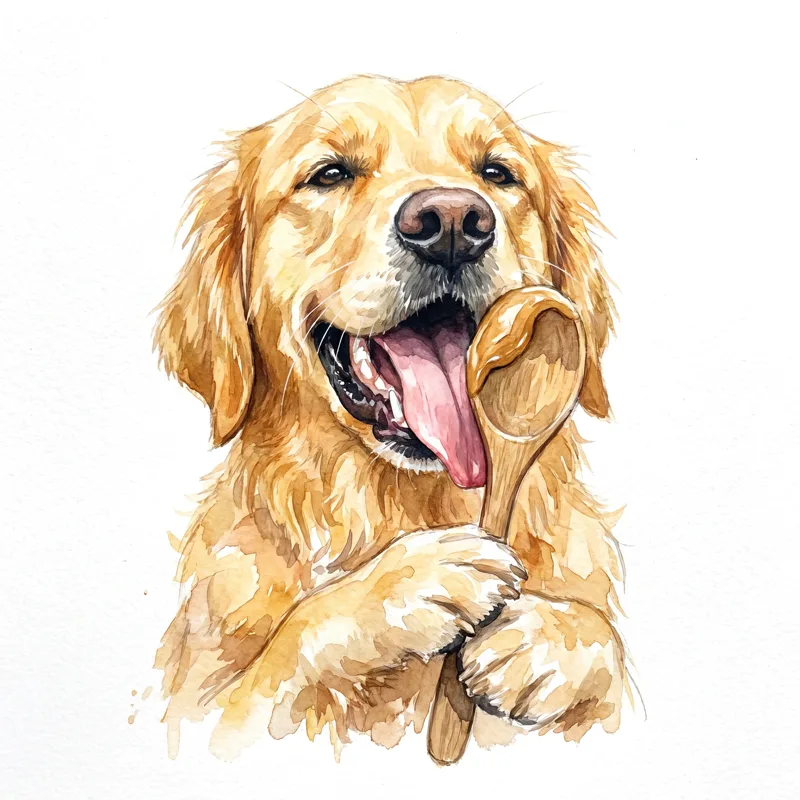
Caution: peanut butter requires care for your dog.
Most peanut butter is safe for dogs, but the xylitol risk is real and serious. Always read the label before giving any peanut butter to your dog — especially natural, reduced-sugar, or store-brand varieties. Plain peanut butter with just peanuts (and optionally salt) is fine in small amounts. Xylitol-containing peanut butter is fatal.
The Xylitol Warning: Read This First
Xylitol is a natural sugar alcohol used as a sweetener in many human foods, particularly those marketed as “sugar-free” or “natural.” In dogs, xylitol triggers a rapid and massive release of insulin, causing life-threatening hypoglycemia (low blood sugar) within 15–30 minutes of ingestion. At higher doses, it causes acute liver failure.
Symptoms of xylitol poisoning in dogs:
- Vomiting (often the first sign)
- Weakness and loss of coordination
- Tremors or seizures
- Yellowing of the eyes or skin (jaundice — a sign of liver damage)
- Collapse
If your dog eats xylitol-containing peanut butter, this is a veterinary emergency. Contact your vet or an emergency animal hospital immediately. Do not wait for symptoms to appear.
Xylitol is also called birch sugar on some product labels — look for both names.
Which Peanut Butter Brands Are Safe?
| Brand / Product | Contains Xylitol? | Safe for Dogs? |
|---|---|---|
| Jif Creamy / Crunchy (original) | No | Yes |
| Skippy Creamy / Crunchy (original) | No | Yes |
| Peter Pan Original | No | Yes |
| Trader Joe’s Salted Creamy | No | Yes |
| 365 Whole Foods (original) | No | Yes |
| Smucker’s Natural | No | Yes |
| Justin’s Classic | No | Yes |
| Go Nuts Co. | No | Yes |
| Nuts ‘N More | Yes | No — toxic |
| P28 Foods | Yes | No — toxic |
| Krush Nutrition | Yes | No — toxic |
The pattern to watch: Brands marketed toward athletes, weight-loss, or fitness audiences are most likely to contain xylitol. “Natural” labels are not automatically dangerous — but always verify.
The only safe rule: Read the ingredients list every single time, even for brands you have used before. Formulas change.
Key Nutritional Facts: Plain Peanut Butter (per 2 tablespoons, ~32g)
- Calories: 191 kcal
- Protein: 7g
- Fat: 16g
- Carbohydrates: 7g
- Fiber: 1.5g
- Sugar: 3g (natural, no xylitol in plain varieties)
- Niacin (B3): 4.2mg
- Magnesium: 49mg
- Potassium: 189mg
Nutritional Value of Peanut Butter for Dogs
When given in appropriate amounts, plain peanut butter offers dogs some genuine nutritional benefits:
- Protein — Supports muscle maintenance and repair
- Healthy fats — Monounsaturated fats support coat health and energy
- Niacin (Vitamin B3) — Supports metabolism and skin health
- Vitamin E — Acts as an antioxidant
- Magnesium — Supports bone health and nerve function
The downside: Peanut butter is very calorie-dense. One tablespoon has about 95 calories — significant for a small dog. It should be a treat, not a regular food.
How Much Peanut Butter Can Dogs Have?
| Dog Size | Weight | Max Per Day | Notes |
|---|---|---|---|
| Toy/small | Under 10 kg (22 lbs) | ½ teaspoon | Use sparingly — high calorie density |
| Medium | 10–25 kg (22–55 lbs) | 1 teaspoon | Good for Kong stuffing |
| Large | 25–45 kg (55–100 lbs) | 1–2 teaspoons | Up to 1 tablespoon occasionally |
| Giant | Over 45 kg (100 lbs) | 1 tablespoon | Keep within 10% treat rule |
Dogs prone to pancreatitis: The high fat content of peanut butter can trigger pancreatitis flare-ups. If your dog has a history of pancreatitis, avoid peanut butter entirely and consult your vet.
Overweight dogs: At nearly 100 calories per tablespoon, peanut butter adds up quickly. Choose lower-calorie alternatives like plain carrot or apple slices for weight-conscious dogs.
Peanut Butter in Kong Toys: The Best Use
The single best use of peanut butter for dogs is as a Kong stuffing. A stuffed, frozen Kong provides:
- Mental stimulation — Licking and working to extract the filling engages a dog’s brain and reduces boredom
- Anxiety relief — The repetitive licking motion has a calming effect, useful for separation anxiety or thunderstorms
- Slow feeding — Extends treat time from seconds to 15–30 minutes
- Dental benefit — The licking action promotes saliva production, which helps clean teeth
Basic frozen peanut butter Kong recipe:
- Stuff a Kong with a mix of plain xylitol-free peanut butter and mashed banana
- Seal the bottom hole with a small piece of carrot or kibble
- Freeze for at least 2 hours
- Offer to your dog as a long-lasting enrichment treat
Variations: Replace peanut butter with plain Greek yogurt, mashed sweet potato, or pureed pumpkin for a lower-fat alternative.
KONG Classic Dog Toy — Perfect for Peanut Butter Stuffing
The original KONG is the gold standard for stuffed treat enrichment. Durable natural rubber that withstands even aggressive chewers. Stuff with peanut butter and freeze for a long-lasting, mentally stimulating treat. Available in multiple sizes for dogs of all breeds.
$14.99 View on AmazonAs an Amazon Associate, we earn from qualifying purchases.
Peanut Butter for Medication and Training
Hiding medications: Peanut butter is one of the most reliable ways to get dogs to take pills. The strong smell and sticky texture mask the smell and feel of tablets. Use a pea-sized amount — just enough to coat the pill completely.
Training treats: Peanut butter is a very high-value treat that works well for recall training and teaching difficult behaviors. Use a squeeze tube or small silicone mat smeared with peanut butter as a lickable reward during grooming, nail trims, or vet visits.
Peanut Butter vs. Other Nut Butters
| Nut Butter | Safe for Dogs? | Notes |
|---|---|---|
| Peanut butter (plain, no xylitol) | Yes | Most popular choice; widely available |
| Almond butter (plain, no xylitol) | Yes (small amounts) | Safe but harder to digest than PB |
| Cashew butter (plain) | Yes (small amounts) | High in fat; use sparingly |
| Sunflower seed butter | Yes | Good alternative for dogs with nut sensitivities |
| Macadamia nut butter | No | Toxic — causes weakness, tremors, fever |
| Walnut butter | No | Walnuts can contain mold toxins; avoid |
| Pistachio butter | Caution | High fat; pistachios may contain mold aflatoxins |
Frequently Asked Questions
My dog just ate peanut butter with xylitol. What do I do?
Contact your veterinarian or an emergency animal hospital immediately — do not wait for symptoms. Note the product name and ingredients list, and estimate how much your dog consumed. Bring the jar with you to the vet. Time is critical with xylitol poisoning.
Can I give my dog peanut butter every day?
Technically yes in very small amounts, but it is better as an occasional treat 2–3 times per week rather than a daily staple. Daily peanut butter feeding can contribute to weight gain and pancreatitis risk over time.
Is organic peanut butter safer for dogs?
Organic peanut butter is not inherently safer than conventional varieties. The key concern is xylitol, not pesticide residue. Read the ingredients regardless of whether the product is organic.
Does peanut butter help with dog diarrhea or constipation?
No. Peanut butter does not treat gastrointestinal issues in dogs. Its high fat content can actually worsen diarrhea. For digestive upset, plain boiled chicken and rice or plain pumpkin puree are much better options.
More Foods Your Dog Can and Cannot Eat
- Can My Dog Eat Bananas? — Potassium-rich treat, great for Kong stuffing
- Can My Dog Eat Blueberries? — Antioxidant-packed low-calorie treat
- Can My Dog Eat Carrots? — A crunchy low-calorie alternative to PB treats
- Can My Dog Eat Cheese? — Another high-value training treat
- Can My Dog Eat Chocolate? — Why it is extremely dangerous
References & Authoritative Sources
The information in this guide is informed by leading veterinary organizations and toxicology resources. For your pet's specific situation, always consult a licensed veterinarian.