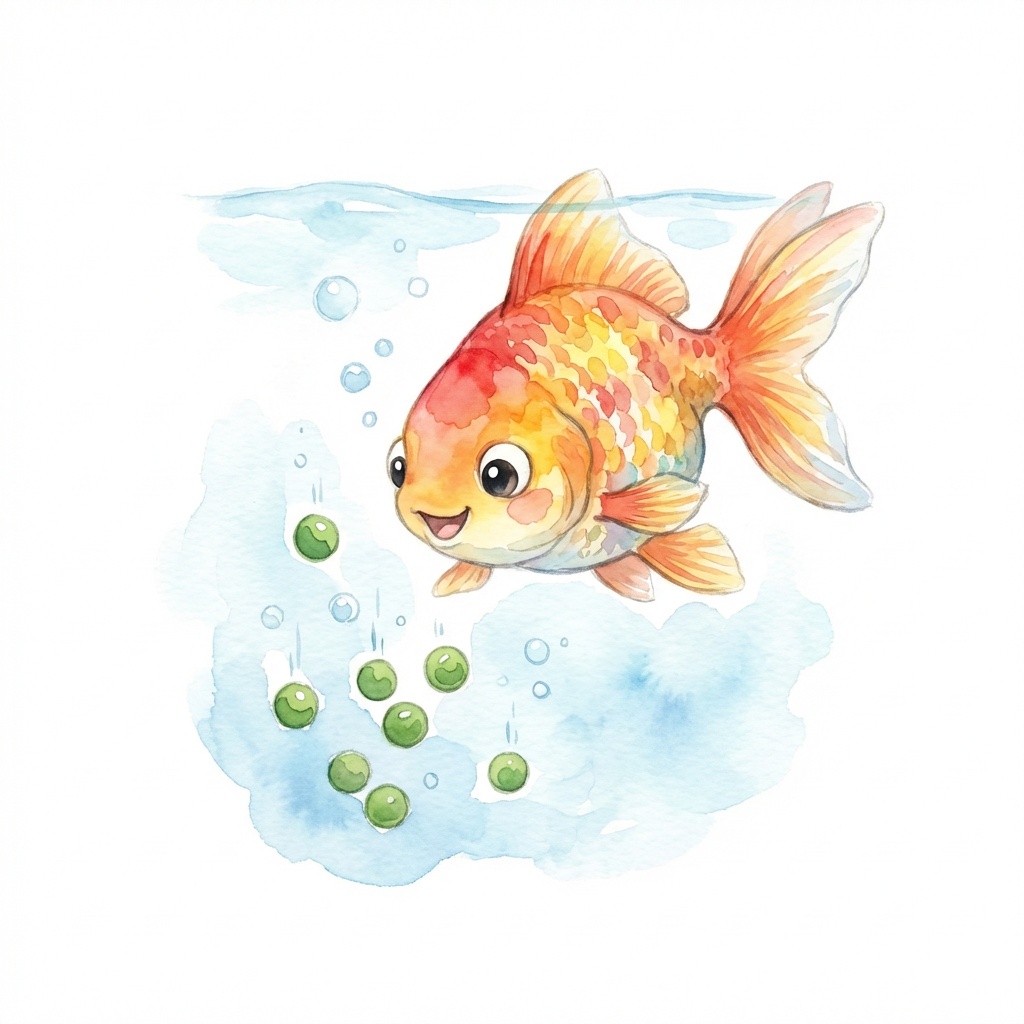
Yes, your fish can eat peas!
**Can fish eat peas? Yes — peas are one of the best and safest foods you can feed aquarium fish.** They are widely recommended by experienced fishkeepers and aquatic veterinarians for their high fiber content, which helps prevent constipation and treats swim bladder disorder, especially in goldfish and bettas. Always blanch, shell, and squish peas before feeding — never feed raw or canned peas.
Quick Answer: Can Fish Eat Peas?
Yes, shelled blanched peas are safe and highly beneficial for most freshwater fish. Here’s everything you need at a glance:
| Question | Answer |
|---|---|
| Can fish eat peas? | Yes, shelled and blanched |
| Are peas good for goldfish? | Yes — #1 swim bladder remedy |
| Can bettas eat peas? | Yes — quarter a pea, once a week |
| Raw or cooked peas? | Blanched (30-60 seconds) |
| Frozen peas OK? | Yes, the best option |
| Canned peas? | No — salt & preservatives |
| How many peas per fish? | 1-2 per fish, 1-2x per week |
| Remove the skin? | Yes, always — can cause blockages |
How to Blanch Peas for Fish (30-Second Method)
The fastest, snippet-ready way to prepare peas for any aquarium fish:
- Boil — Drop 2-3 frozen peas into boiling water for 30-60 seconds.
- Cool — Transfer immediately to cold water to stop cooking.
- Shell — Squeeze each pea between your fingers; the soft inner pea pops out. Discard the tough outer skin.
- Feed — Drop in the tank whole for goldfish, quartered for bettas, mashed for tetras. Remove uneaten pieces after 2-3 hours.
That’s it. Never feed raw, canned, or seasoned peas — the salt and indigestible skins can harm your fish.
Why Peas Are a Fishkeeper’s Secret Weapon
Ask any experienced goldfish keeper for their number one food tip, and the answer is almost always: peas. This humble vegetable has earned legendary status in the fishkeeping community for its remarkable ability to keep fish healthy.
- High fiber content — Acts as a natural laxative, keeping the digestive tract moving smoothly
- Swim bladder remedy — The most commonly recommended home treatment for swim bladder disorder caused by constipation
- Easy to digest — When properly prepared, the soft inner pea is gentle on fish digestive systems
- Nutritionally balanced — Provides vitamins, minerals, and plant-based nutrients that complement a pellet or flake diet
- Sinking food — Shelled peas sink, which prevents fish from gulping air at the surface (a common cause of buoyancy problems)
Key Nutritional Facts: Green Peas (per 100g, cooked)
- Calories: 84 kcal
- Fiber: 5.5g (the key nutrient for fish)
- Protein: 5.4g
- Vitamin A: 801 IU
- Vitamin C: 14.2mg
- Vitamin K: 25.9mcg
- Iron: 1.5mg
- Water: 78%
Which Fish Species Benefit from Peas?
Peas are beneficial for most freshwater aquarium fish:
Highly recommended for:
- Goldfish — Particularly prone to constipation and swim bladder issues due to their compressed body shape (fancy goldfish especially)
- Bettas — Can develop constipation from dry pellet diets. A pea once a week helps prevent bloating
- Tropical community fish — Tetras, guppies, platies, mollies, and swordtails all benefit from occasional vegetable matter
- Cichlids — Many species enjoy peas as part of a varied diet
- Plecos and bottom feeders — Already herbivorous, they readily accept peas
Use caution with:
- Very small fish (neon tetras, micro rasboras) — Mash the pea into very tiny pieces to match their small mouth size
- Strictly carnivorous species — Some fish may simply refuse peas, which is fine
Feeding Peas to Fish: Complete Preparation Guide
Proper preparation is essential. Never feed raw, canned, or seasoned peas to fish.
Frozen Peas for Fish: The Best Option
Frozen green peas are the preferred choice among experienced fishkeepers for several reasons:
- Consistent quality — Every pea is the same size and ripeness
- Available year-round — No seasonal limitations
- Pre-cleaned — No dirt or pesticide residue to worry about
- Easy to store — Keep a bag in the freezer and grab a few whenever needed
- Just as nutritious — Flash-frozen peas retain virtually all their fiber and vitamins
Simply take 2-3 frozen peas from the bag and follow the blanching steps below. One small bag of frozen peas will last months of fish feedings.
Step-by-Step Guide
-
Start with frozen peas — Frozen green peas are the most convenient and consistent option. Fresh peas from the pod also work. Never use canned peas (too much sodium and preservatives)
-
Blanch — Drop frozen peas into boiling water for 30-60 seconds. This softens them while retaining nutrients
-
Cool down — Transfer immediately to cold water to stop the cooking process
-
Shell — This is the crucial step. Squeeze each pea gently between your fingers to pop the soft inner pea out of the tough outer skin. Discard the skin — fish cannot digest it and it can cause intestinal blockage
-
Size appropriately:
- For goldfish and large fish: Offer the inner pea whole or halved
- For bettas and medium fish: Quarter the inner pea
- For small tetras and guppies: Mash into tiny fragments
-
Feed — Drop pieces into the tank. Shelled peas will sink, which is ideal. Remove any uneaten pea after 2-3 hours to prevent water quality issues
Peas for Swim Bladder: The #1 Home Remedy
Swim bladder disorder is one of the most common health issues in aquarium fish, especially fancy goldfish. The fish may float upside down, struggle to maintain depth, or bob helplessly at the surface.
How the pea treatment works:
Constipation creates pressure on the swim bladder, a gas-filled organ that controls buoyancy. The fiber in peas acts as a gentle laxative, moving food through the digestive tract and relieving this pressure.
Treatment protocol:
- Fast your fish for 24 hours (no food at all) to let the digestive tract begin clearing
- Feed only peas for the next 2-3 days. Offer 1-2 shelled, blanched pea pieces per feeding, twice daily
- Monitor — You should see improvement within 1-3 days if constipation was the cause
- Gradually reintroduce regular food, starting with easily digestible options and avoiding overfeeding
Important: If swim bladder symptoms do not improve after 3 days of pea treatment, the cause may not be constipation. Bacterial infections, genetic issues, and organ damage can also cause swim bladder disorder and require veterinary intervention.
Signs Your Fish Needs Peas
Watch for these indicators that your fish may benefit from a pea feeding:
- Floating at the surface or struggling to swim down
- Sinking to the bottom and struggling to swim up
- Swimming tilted or upside down
- Visible bloating or a swollen abdomen
- Long, trailing feces (indicates slow digestion)
- Loss of appetite or spitting out food
- Lethargy or reduced activity
Peas vs Other Vegetables for Fish
How do peas compare to other vegetable options?
| Vegetable | Fiber | Preparation | Best For |
|---|---|---|---|
| Peas | High | Blanch, shell, squish | Constipation, swim bladder |
| Zucchini | Moderate | Blanch, slice thin | Plecos, bottom feeders |
| Cucumber | Low | Slice thin, weigh down | Snails, shrimp, plecos |
| Spinach | Moderate | Blanch briefly | General nutrition |
| Lettuce (romaine) | Low | Tear small pieces | Light snacking |
Peas remain the top choice specifically for digestive health due to their superior fiber content.
How Often to Feed Peas
For prevention (healthy fish):
- Once or twice per week as part of a varied diet
- 1-2 peas per fish per feeding
- Consider making one day per week a “pea day” where peas replace the regular meal
For treatment (constipated fish):
- Daily for 2-3 days as the sole food
- Fast for 24 hours before starting treatment
- Return to normal diet gradually after symptoms resolve
For ongoing swim bladder management (chronic cases):
- 2-3 times per week as a regular dietary supplement
- Some fish with chronic swim bladder issues benefit from permanent inclusion of peas in their diet
Water Quality Considerations
Unlike many human foods that destroy aquarium water quality, peas are relatively clean:
- Shelled peas break down slowly, giving fish time to eat them
- They produce less waste than flake food
- Still remove uneaten portions after 2-3 hours
- Do not overfeed — excess organic matter promotes algae growth and ammonia spikes
Hikari Micro Pellets for Small Tropical Fish
A high-quality daily diet for tropical fish that complements weekly pea feedings. These slow-sinking micro pellets are specially designed for small to medium tropical fish, providing complete nutrition. Combined with regular pea supplements, this creates an ideal balanced diet.
$5.49 View on AmazonAs an Amazon Associate, we earn from qualifying purchases.
Frequently Asked Questions
Can I feed my betta fish peas?
Yes, bettas benefit from occasional pea feedings. Bettas are prone to constipation from dry pellet diets, and a small piece of shelled, blanched pea once a week can prevent bloating. Quarter a single pea for a betta — their stomachs are roughly the size of their eye, so a tiny portion goes a long way.
Are frozen peas better than fresh for fish?
Both work well. Frozen peas are more convenient, available year-round, and consistent in quality. Fresh peas from the pod are equally nutritious but require the same blanching and shelling process. The key is never using canned peas, which contain sodium, preservatives, and sometimes sugar that are harmful to fish.
My goldfish is floating upside down. Will peas fix it?
Peas are the recommended first treatment for swim bladder disorder in goldfish. Fast your fish for 24 hours, then feed only shelled, blanched peas for 2-3 days. If the issue is constipation-related, you should see improvement within 1-3 days. If no improvement occurs, the cause may be bacterial or structural, and you should consult an aquatic veterinarian.
Can marine (saltwater) fish eat peas?
Most marine fish can eat peas, though they tend to be less enthusiastic about them than freshwater species. Herbivorous marine fish like tangs and surgeonfish may accept peas, but there are better marine-specific vegetable options like nori (seaweed) sheets. Carnivorous marine fish generally show no interest in peas.
Do Fish Like Peas?
This is one of the most common questions from fishkeepers trying peas for the first time. The short answer: yes, most freshwater fish enjoy peas.
Goldfish in particular are enthusiastic pea eaters — many goldfish keepers report that their fish get visibly excited when they see the familiar green morsels dropping into the tank. Bettas, platies, mollies, and most tetras also accept peas readily.
Tips to get reluctant fish to try peas:
- Start with very small, mashed pieces mixed near their regular feeding spot
- Try during a fasting day when fish are hungrier
- Use frozen peas (blanched and shelled) rather than fresh — they tend to have a softer, more appealing texture
- Be patient — some fish need 2-3 exposures before accepting a new food
If your fish consistently refuses peas after several attempts, that is perfectly fine. Not every species or individual fish will accept vegetable matter, and there are other ways to provide dietary fiber.
Shelled Peas for Fish: Why Removing the Skin Matters
The term “shelled peas” comes up constantly in fishkeeping forums, and for good reason. Removing the outer pea skin is the single most important step when preparing peas for fish.
The outer shell of a pea is made of tough cellulose that fish digestive systems cannot break down. If fed with the skin on, the shell can:
- Cause intestinal blockage — particularly dangerous for smaller fish
- Reduce nutritional absorption — the nutrients inside the pea cannot be accessed through the tough outer layer
- Create a choking hazard — the slippery skin can get stuck in a fish’s throat
How to shell peas properly:
- After blanching and cooling, hold the pea between your thumb and forefinger
- Gently squeeze — the soft inner pea should pop right out
- Discard the transparent outer shell
- The inner pea is ready to feed (whole for large fish, mashed for small fish)
This takes about 2 seconds per pea and makes all the difference between a safe, nutritious treat and a potential health risk.
Can Goldfish Eat Peas? The Complete Guide
Yes — goldfish LOVE peas, and peas are considered the single best supplementary food for goldfish by experienced fishkeepers. Fancy goldfish (fantails, orandas, ryukins, black moors) especially benefit due to their compressed body shape, which makes them prone to swim bladder and digestive issues.
Why peas are perfect for goldfish:
- Goldfish lack a true stomach and have a long digestive tract that can easily become clogged with dry flake food
- The fiber in peas acts like a broom, clearing the gut and preventing constipation
- Shelled peas sink, which means goldfish eat them near the bottom rather than gulping air at the surface (a major cause of buoyancy problems)
- Goldfish genuinely enjoy the taste — many fishkeepers report their goldfish getting visibly excited when peas appear
How many peas for goldfish?
- Small goldfish (under 3"): 1 shelled pea, halved, twice per week
- Medium goldfish (3-6"): 1-2 whole shelled peas, twice per week
- Large goldfish (6"+): 2-3 whole shelled peas, twice per week
Fancy goldfish tip: Consider making peas a permanent twice-weekly part of the diet. Many fancy goldfish keepers swear this prevents the chronic swim bladder issues the breed is known for.
Can Bettas Eat Peas?
Yes, bettas can eat peas, but with smaller portions than goldfish. A single shelled, blanched pea is enough for 4 betta feedings — quarter the pea and serve one quarter at a time. Feed a pea piece once a week maximum, as bettas are primarily carnivorous and need animal protein as their main diet.
Pea treatment for constipated bettas: If your betta looks bloated or has long stringy feces, fast for 24 hours then feed a tiny quartered pea piece. Repeat once daily for 2 days. This usually resolves the issue.
Cooked Shelled Peas for Fish: Getting the Temperature Right
When fishkeepers search for “cooked shelled peas for fish,” they usually mean blanched peas. There is an important distinction:
| Method | Time | Result | Safe for fish? |
|---|---|---|---|
| Blanching (recommended) | 30-60 seconds in boiling water | Slightly softened, nutrients preserved | Yes |
| Light boiling | 2-3 minutes | Soft but intact | Yes, but less nutritious |
| Full cooking | 5+ minutes | Very mushy, nutrients lost | Not ideal |
| Microwaving | 30-45 seconds with water | Softened | Yes, if cooled properly |
| Raw | N/A | Hard, tough | No — too difficult to digest |
| Canned | N/A | Oversalted, preservatives | No — harmful to fish |
The goal is to soften the pea enough that it is easy to shell and digest, while preserving the fiber and vitamins that make peas beneficial. A quick 30-60 second blanch achieves this perfectly.
Always let peas cool to room temperature before adding them to your tank. Hot food can burn your fish’s mouth and the sudden temperature change can stress fish.
More Foods Your Fish Can and Cannot Eat
Wondering what else is safe for your aquarium fish? Check out our other fish food safety guides:
- What Can Shrimp Eat? — Cherry, amano & Caridina diet guide
- What Can Livebearers Eat? — Guppy, molly & platy diet guide
- Can My Fish Eat Cucumber? — A perfect veggie for plecos and bottom feeders
- Can My Fish Eat Lettuce? — Romaine yes, iceberg no
- Can My Fish Eat Bread? — Why bread is harmful and what to feed instead
- Can My Fish Eat Crackers? — Why processed foods destroy your tank’s water quality
References & Authoritative Sources
The information in this guide is informed by leading veterinary organizations and toxicology resources. For your pet's specific situation, always consult a licensed veterinarian.